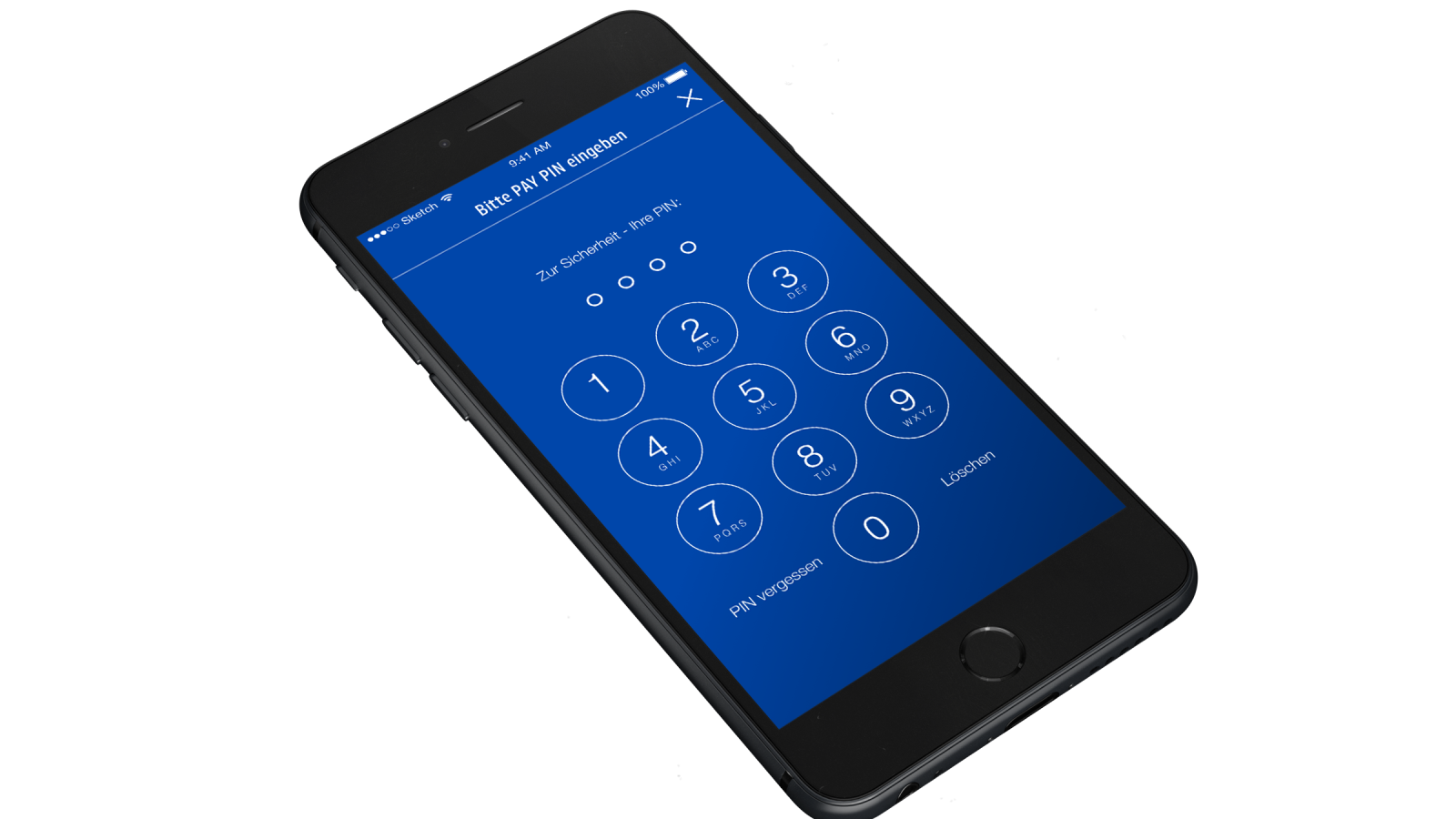
As UX product manager I owned design and strategy for the new PAYBACK app, codename "Wingman".
PAYBACK · product strategy
A concept that still holds today
As UX product manager I owned design and strategy for the new PAYBACK app, codename "Wingman". Its core structure is still in use today, and until a few years ago features were still being rolled out that we had conceived in the original concept.
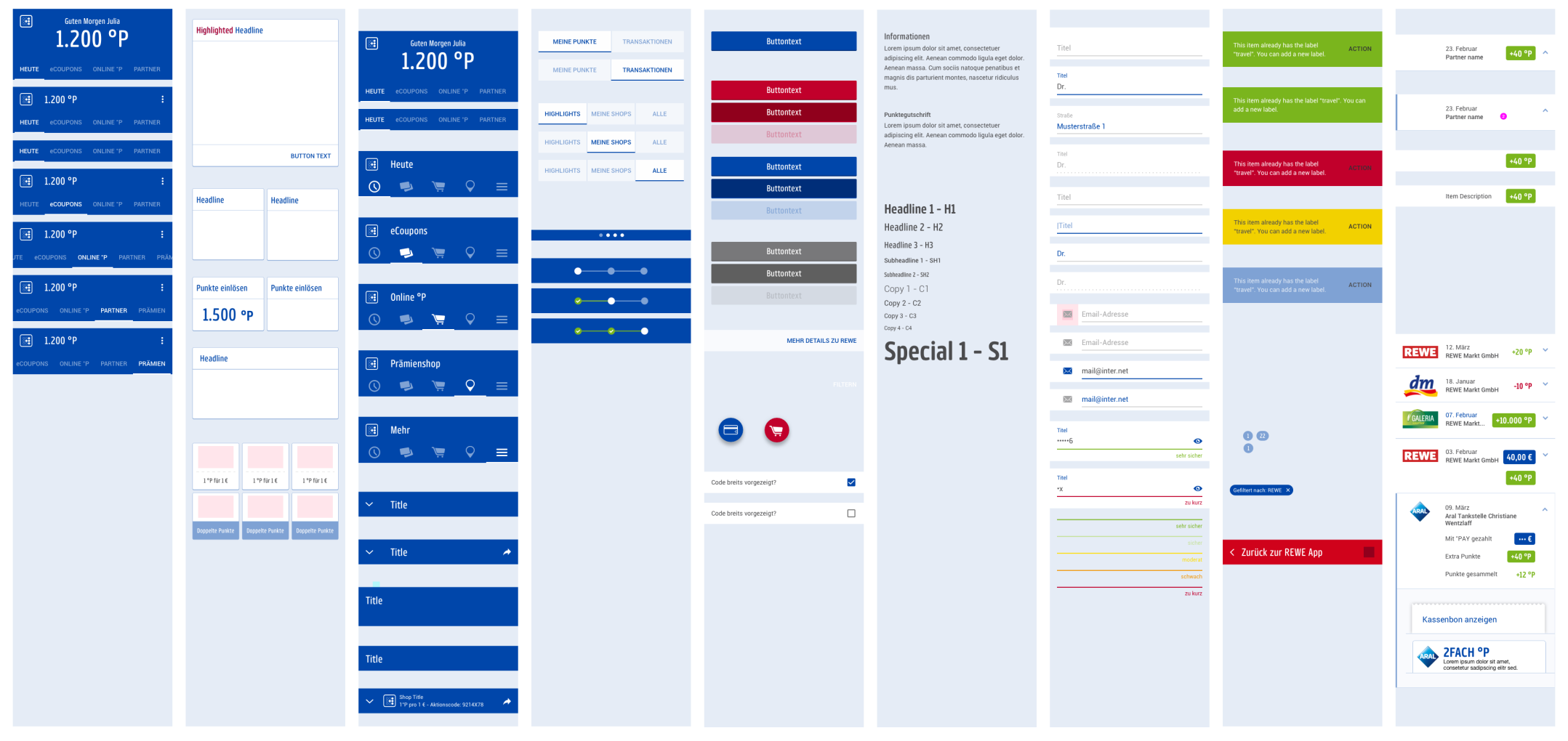
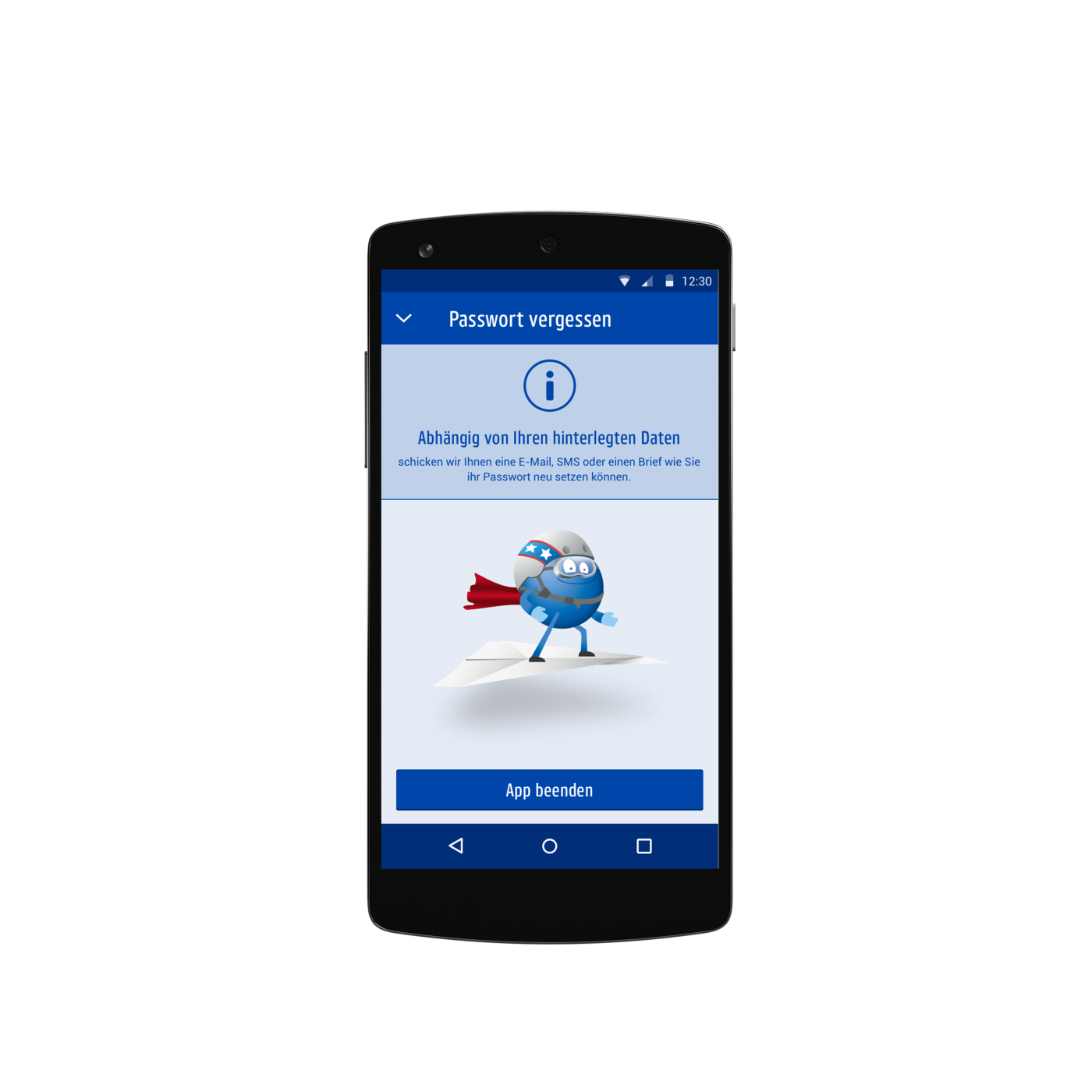
The PAYBACK app was to be rebuilt, above all because the payment product belonged inside it. The design team was too small, so we brought in an agency. Not as a supplier: concept designer, designer and manager sat with us in our Munich office three days a week. Two of us from the PAYBACK design team developed the concept together with them.
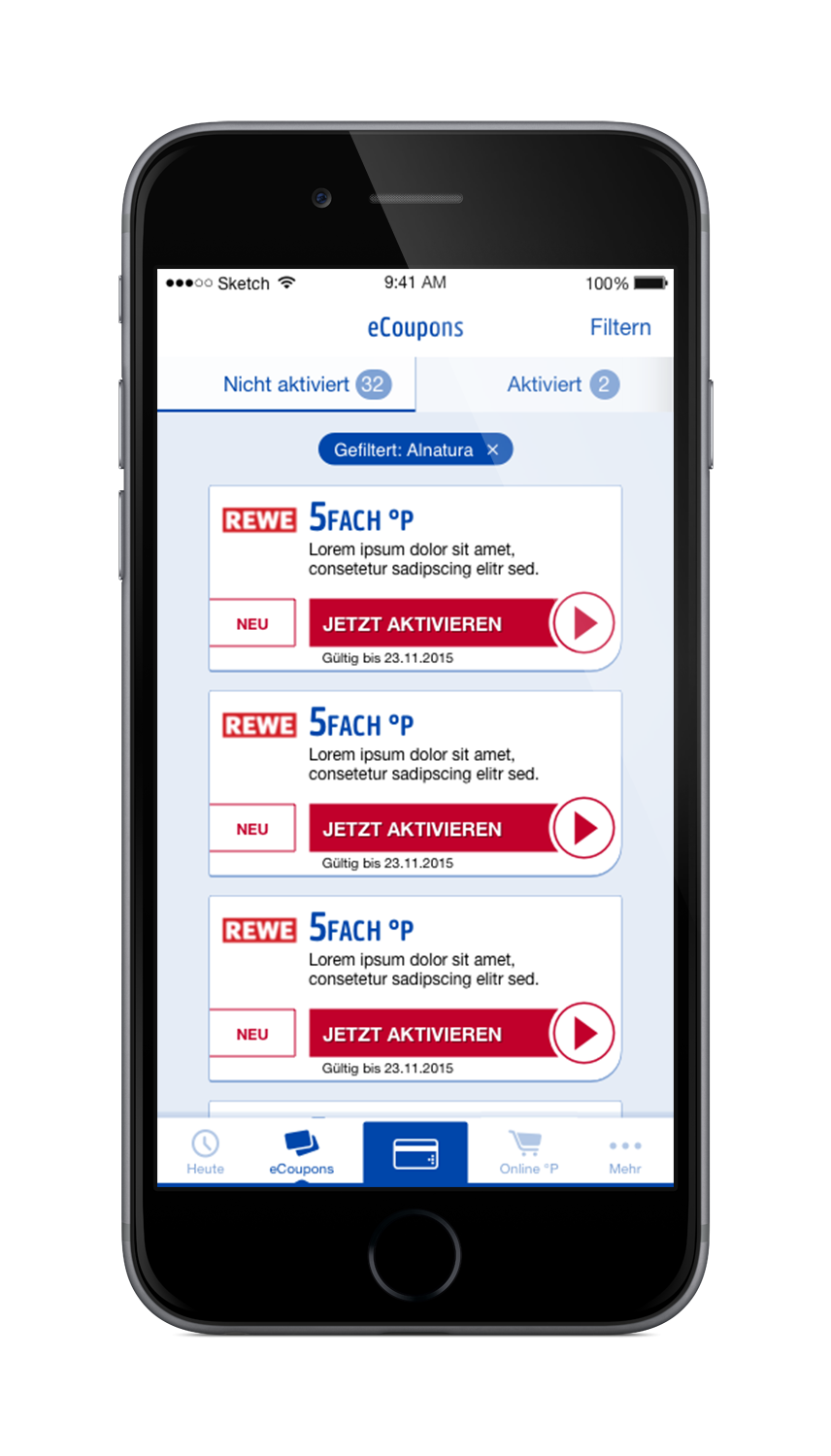
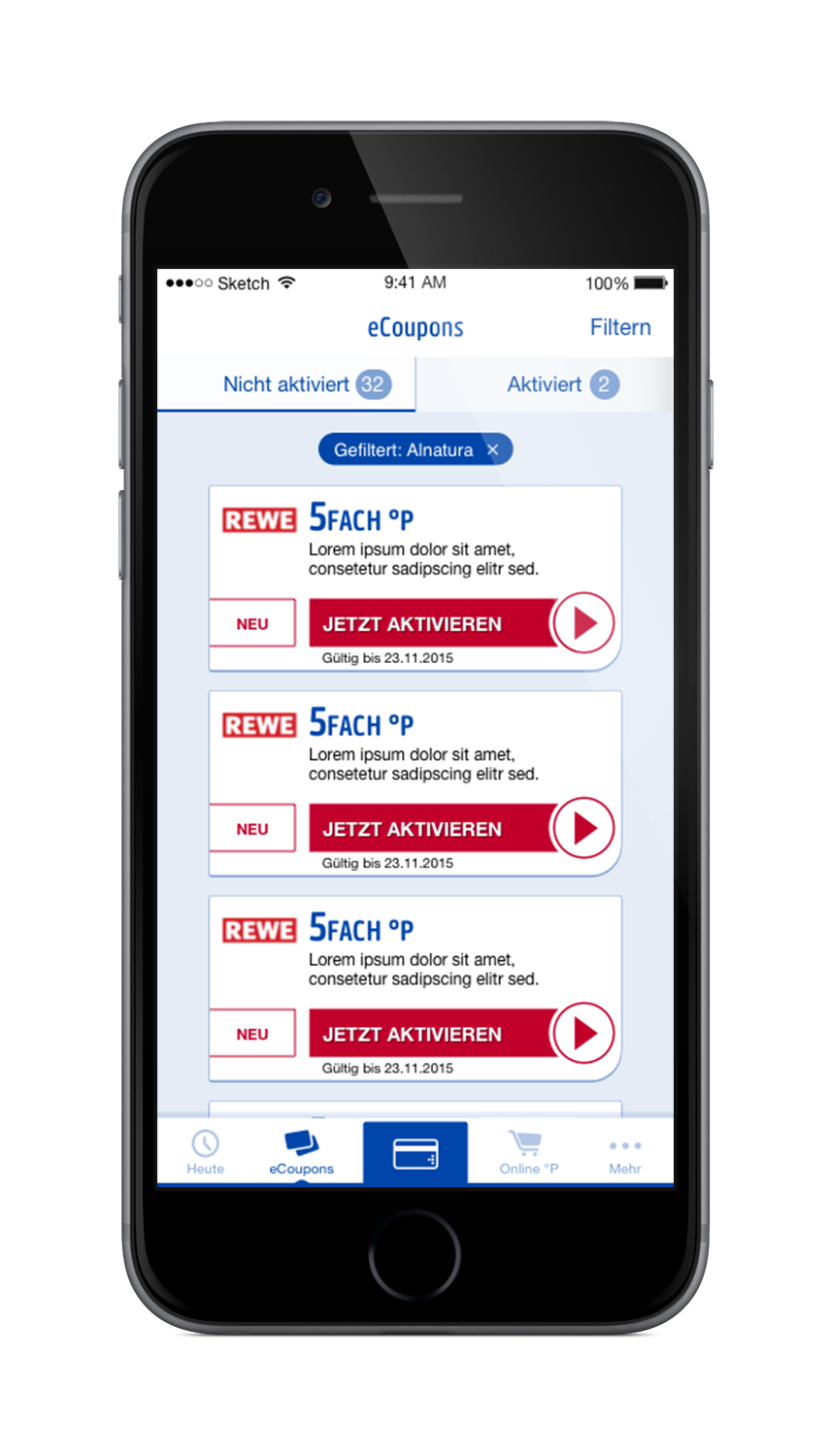
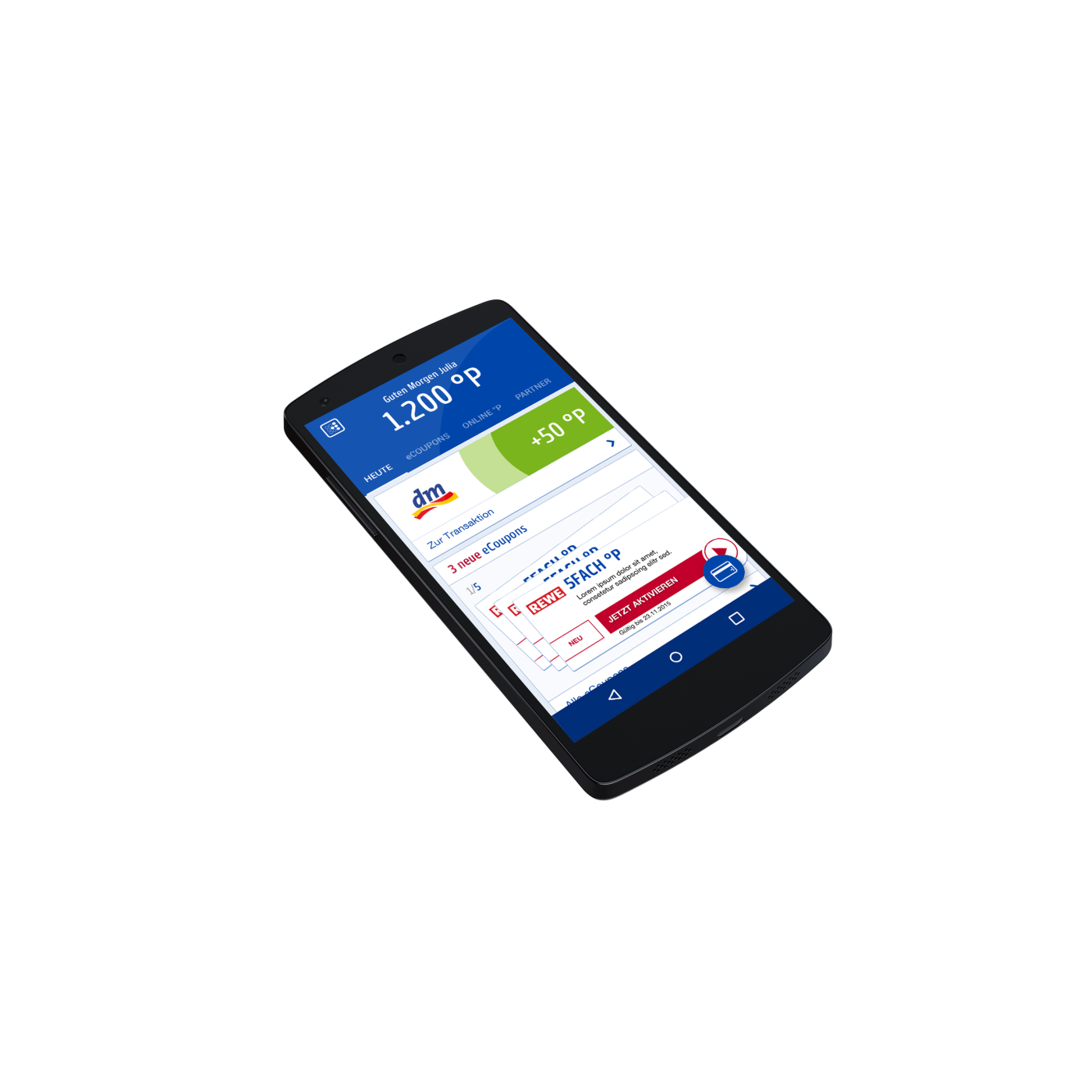
What we rethought. Location-based services, couponing, transactions, online shopping. Plus the digital PAYBACK card and paying with PAYBACK, a shopping list, games and a measure of gamification.
How we sorted. Every idea was built as a clickable prototype and tested, qualitatively and quantitatively. Whatever failed the test did not enter the app. Our management was so convinced by the idea that they were already presenting these prototypes to clients.
10 Mio+
users, up from just over three million
2–3
months to a solid MVP
10
years the framework has held
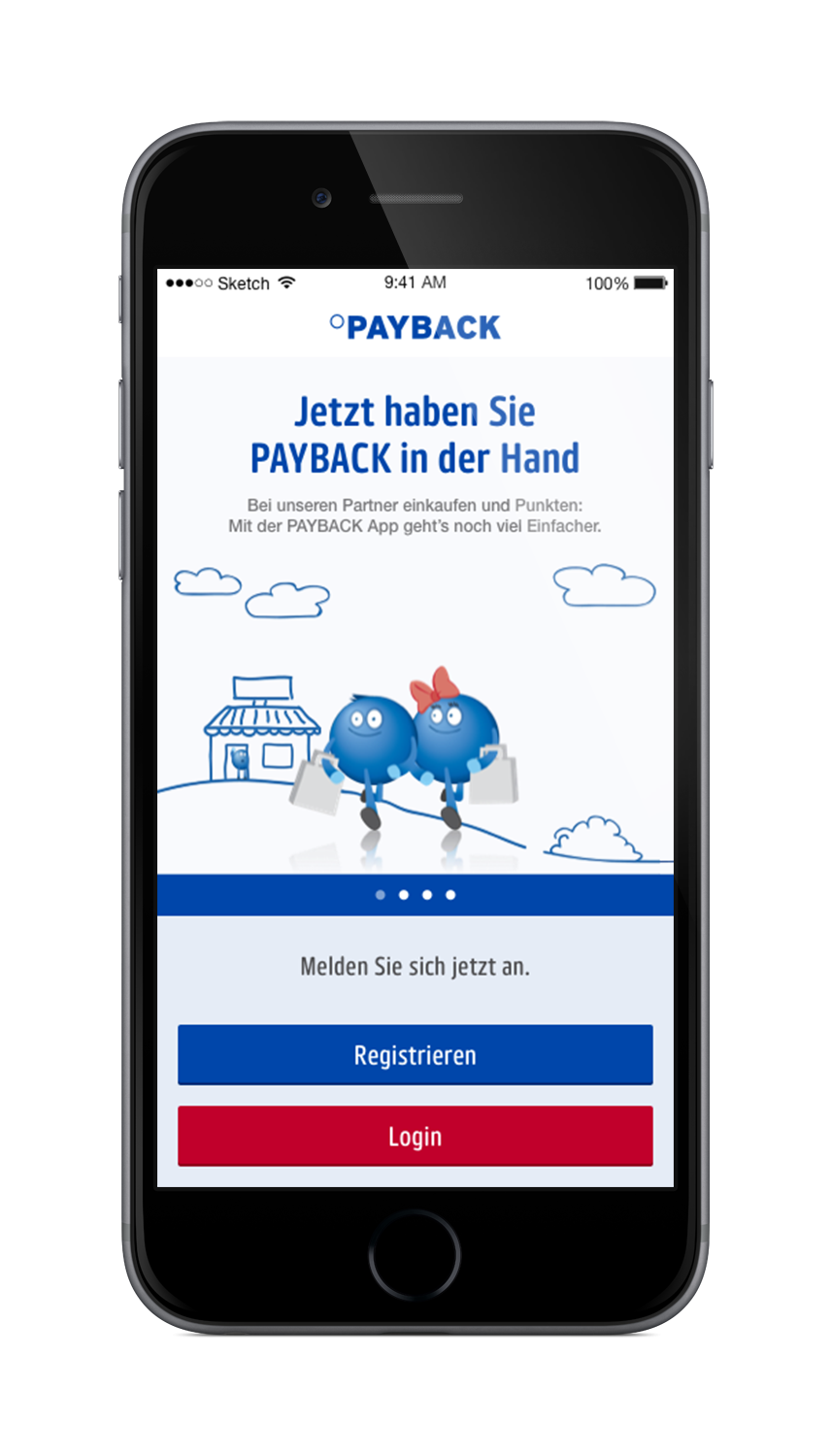
After that it moved fast. We put up the framework and brought an MVP to market that stood solid after two to three months.
Mobile was coming anyway. We still grew faster than the trend: from just over three million to more than ten million users in a short time. Even after I left, building blocks from the concept kept appearing in the app, features we had deliberately held back at launch. The look is more modern today. The framework and the concept behind it are the same.

Substance
Proximity was on board early
At its heart was the loyalty app. Proximity and location-based features were already designed into the concept and prototype, implemented, exactly as designed, only years later.

Later an open platform for Lufthansa and Deutsche Bahn.

Scale. The proximity solution was developed at parent company LoyaltyPartnerSolutions into an open platform for third parties and offered to major clients such as Lufthansa and Deutsche Bahn.